- Beyoğlu - İSTANBUL
- Info@teutaturkutours.com
- +90 (534) 031 64 15


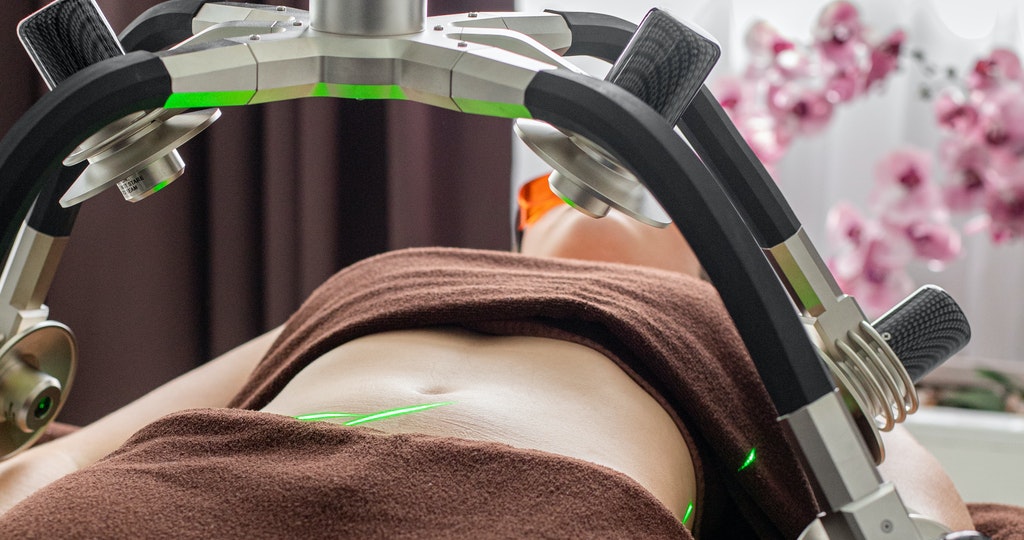
The examination is a general assessment of the health status of healthy people and early diagnosis.
A possible illness that has not yet led to a complaint. Examination is taking care of yourself
and health. Early diagnosis of certain diseases, especially cancer, is extremely important.
Thus, early diagnosis of such diseases increases the effectiveness of treatment in
the result of control examinations. Early awareness and early treatment in all
fields of medicine and for each disease will increase the comfort of human life and increase
life expectancy.
Required tests for a routine physical examination; blood test,
blood tests to assess organ function (liver, kidney, etc.), sedimentation, level
cholesterol and lipids, thyroid (goiter) test, hepatitis (jaundice) test, complete
urinalysis, full abdominal ultrasound, chest x-ray,
electrocardiography and stool examination.
In addition to the tests that all people over 40 must take, they are advised to
conduct additional eye examinations, cardiac examinations and
cancer screening, regardless of family risk. Those at family risk should not
wait 40 years to pass these tests. Persons at risk must undergo
additional tests associated with the risks they carry from the age of 30.
Another purpose of the survey is to determine the risk of age, sex, smoking, possible
risks of diseases, especially female hormonal periods (such as fertility-
menopause), familial diabetes, coronary heart disease, stroke, and cancer.
Additional follow-up examinations for families at risk of coronary heart disease;
HDL cholesterol, LDL cholesterol, force test and echocardiography. Women who have
family history of cancer, should pass Pap smear analysis, breast ultrasound,
mammography, lung function tests and computed tomography of the lungs once a
year. Men with a family history of cancer should also undergo
test for prostate-specific antigen, functional examination of the lungs and
computed tomography of the lungs once a year.